Why PetroPipe Is India’s Premier Pipe Valve & Fittings Supplier

Why PetroPipe Is India’s Premier Pipe Valve & Fittings Supplier In India’s rapidly growing industrial, energy, infrastructure, and construction sectors, the backbone of all successful projects lies in reliability and quality of components. When it comes to piping systems — especially valves and fittings — quality isn’t just a convenience, it’s a necessity. That’s where PetroPipe comes in. As a trusted supplier of pipe valves and fittings across industries, PetroPipe has built a reputation for excellence, integrity, and dependable delivery. Here’s why leading companies trust PetroPipe for their piping needs. 🔩 Extensive Product Portfolio: All Your Piping Needs in One Place PetroPipe offers a comprehensive range of high-quality valves and pipe fittings to meet the diverse demands of various sectors: Valves: Ball, Gate, Globe, Check, Butterfly, Diaphragm — suitable for water, oil, gas, steam, chemicals, and industrial fluids Pipe Fittings: Flanged, Threaded, Welded, Socket-Weld, Butt-Weld, including elbows, tees, reducers, flanges, unions, couplings, and more Material Variety: Carbon steel, stainless steel (SS 304, SS 316), alloy steel, ductile iron, forged steel, PVC/UPVC — tailored to project requirements Custom & Specialty Items: High-pressure fittings, corrosion-resistant assemblies, special alloy components, custom-fabricated valve-fitting sets Whether you’re managing an oil & gas project, building water infrastructure, setting up a chemical plant, or constructing industrial pipelines — PetroPipe is equipped to supply what you need, when you need it. ✅ Quality Assurance: Standards that Ensure Safety and Durability At PetroPipe, quality is never compromised. We source and supply products that comply with industry standards and undergo stringent quality controls: Certified Valves & Fittings — compliant with standards such as ASME, ASTM, API, DIN, ISO Rigorous Material Inspection & Testing — including pressure testing, dimensional analysis, and traceability documentation Durable and Reliable Products — resilient against corrosion, high pressure, high temperature, and chemical exposure — built for long-term use Documentation & Certification — providing material test certificates (MTC), heat-number traceability, quality reports, and packing manifests With PetroPipe, you don’t just get components — you get assurance of reliability, safety, and performance. 🌐 Serving Multiple Industries — Adaptable to Your Sector’s Needs PetroPipe is trusted across a variety of industries, each with its distinct standards and requirements: Oil & Gas and Petrochemical Facilities Water Treatment & Water Supply Infrastructure Power Plants & Energy Sector Chemical and Manufacturing Industries Construction, Infrastructure & Real Estate Projects Industrial Facilities requiring specialty piping systems Our deep understanding of different industry demands helps us recommend and deliver the right types of valves and fittings — ensuring seamless performance and compliance. 🤝 Customer-Centric Service: From Specifications to Delivery & Support We believe being a top supplier isn’t just about having the right products — it’s about how we serve our customers: Consultative Approach: We work with your engineering drawings, specifications, or design needs, helping you choose the right valves/fittings configuration. Customized Solutions: Need special pressure ratings, non-standard sizes, or custom alloy compositions? We can source or fabricate special parts to meet your demands. Efficient Logistics & Timely Delivery: With a strong supply chain across India, we ensure on-time delivery — nationwide — so your project timelines stay intact. After-Sales Support & Spare Parts: We assist with replacements, spare parts supply, future audits, and maintenance support for long-term peace of mind. With PetroPipe, you get dependable supply — plus a partner who stands by you throughout the project lifecycle. 🏆 Why PetroPipe Should Be Your First Choice for Pipes & Valves in India Broad Product Range — valves and fittings covering all common and specialized needs Top-Quality Products with Certifications — meeting global standards for safety and performance Cross-Industry Experience — from oil & gas to water treatment, chemicals, infrastructure, and more Flexible, Customizable Supply Solutions — standard, specialty, or custom orders fulfilled Strong Logistics & Nationwide Delivery — timely fulfilment across India Long-Term Support & Reliable Service — maintenance, spares, and consultation beyond first delivery 🚀 Build with Confidence — Choose PetroPipe for Your Next Project In any critical piping project — be it oil pipelines, water infrastructure, industrial chemical lines, or energy plants — the quality of valves and fittings can make the difference between seamless operation and costly downtime. PetroPipe brings together experience, quality, flexibility, and integrity — making it the ideal partner for engineers, contractors, and organizations aiming for long-term reliability and safety. Get in touch with us today — share your requirements or drawings, and let PetroPipe help you source the best pipe valve fittings for your project.
Top 5 Innovations in Oil & Gas Pipeline Materials for 2025
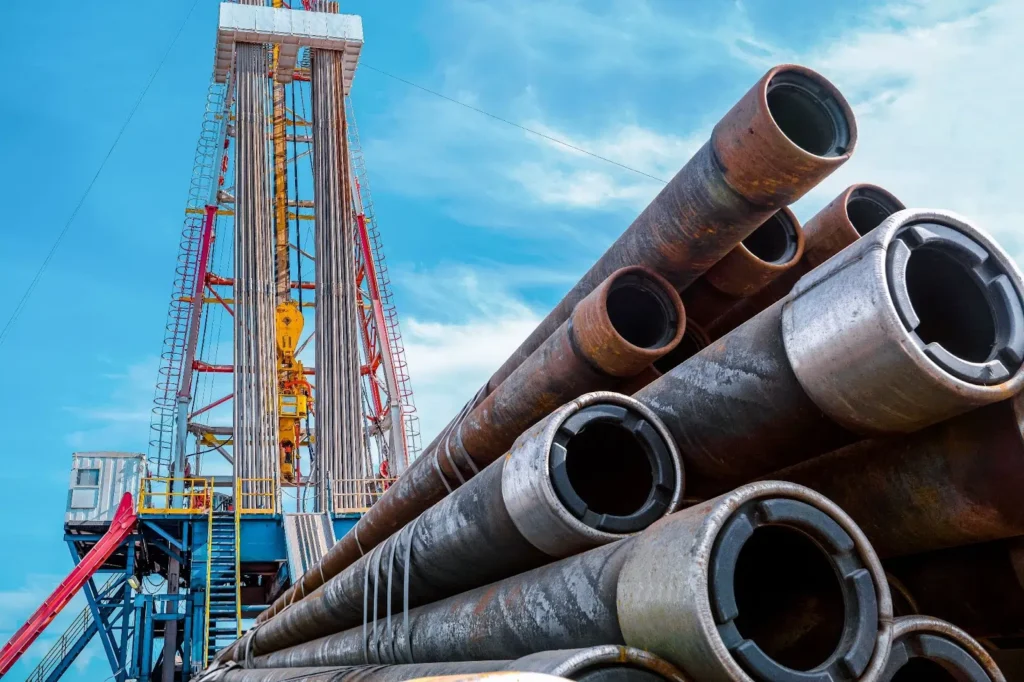
Top 5 Innovations in Oil & Gas Pipeline Materials for 2025 The oil and gas industry, long regarded as one of the cornerstones of global energy infrastructure, is experiencing a materials science revolution. As demand grows for safer, more efficient, and environmentally sustainable pipeline systems, material innovations are rapidly transforming the industry landscape. In 2025, five standout innovations in pipeline materials are redefining how pipelines are constructed, maintained, and operated. Here’s an in-depth look at the top five innovations revolutionizing oil and gas pipeline materials this year. 1. Composite Pipes with Advanced Polymer Technology Composite pipes, particularly those using reinforced thermoplastic and thermoset resins, are gaining momentum as a viable alternative to steel in certain applications. These materials offer corrosion resistance, flexibility, and lighter weight, which reduce installation and maintenance costs. Key Benefits: Corrosion-free operation eliminates the need for internal coatings. Lightweight design enables easier handling and transport. High fatigue resistance suits dynamic environments like offshore platforms. Real-World Application: Several operators in the Middle East and North Sea have begun implementing reinforced thermoplastic pipes (RTPs) for water and gas injection lines, demonstrating significant reductions in operational downtimes. 2. Nanotechnology-Enhanced Coatings Protective coatings have always played a crucial role in extending pipeline lifespans. In 2025, nanotechnology is taking this a step further. Nanocomposite coatings, which integrate nanoparticles like graphene and carbon nanotubes, offer superior barrier protection, mechanical strength, and self-healing capabilities. Key Benefits: Increased resistance to corrosion, abrasion, and UV radiation. Self-healing characteristics improve safety and longevity. Better adhesion to pipeline surfaces. Industry Impact: Companies like Petropipe have begun field trials with nano-enhanced epoxy coatings, showing early signs of 30% improvement in durability over traditional coatings. 3. Smart Materials for Real-Time Monitoring Smart materials embedded with sensors are enabling pipelines to monitor their own health. These materials include piezoelectric sensors, fiber optic cables, and shape memory alloys that respond to stress or damage by sending data to central control systems. Key Benefits: Real-time stress and strain detection. Early leak detection and predictive maintenance capabilities. Reduced need for manual inspections. Use Case: In collaboration with digital solution providers, pipeline operators in the Gulf region are testing smart fiber-optic embedded liners that detect temperature anomalies and signal potential leaks before they escalate. 4. High-Performance Alloys (HPAs) Traditional carbon steel, though reliable, is increasingly being supplemented or replaced with HPAs such as duplex stainless steels, Inconel, and Hastelloy in challenging environments. Key Benefits: Superior corrosion resistance, especially in sour gas and subsea environments. Longer service life under high pressure and temperature. Reduced maintenance requirements. Future Outlook: The shift towards HPAs is driven by the need to operate in ultra-deepwater and high-sulfur fields, where conventional materials quickly degrade. 5. Recyclable and Eco-Friendly Materials Sustainability is now a key performance indicator in oil and gas operations. As such, biodegradable polymers and recyclable metallic compounds are being engineered for temporary pipelines, such as those used in exploration phases. Key Benefits: Reduced environmental footprint. Cost-effective disposal and recycling. Supports ESG (Environmental, Social, Governance) goals. Case in Point: A pilot project in North Africa using recyclable aluminum pipeline segments reduced lifecycle emissions by 40% compared to standard steel. Conclusion The pipeline industry is embracing a new era of innovation, with advanced materials playing a central role in enhancing efficiency, safety, and sustainability. As the demand for energy continues to rise, these material breakthroughs offer promising avenues for the oil and gas sector to modernize its infrastructure while meeting stringent environmental standards. Petropipe remains at the forefront, exploring and implementing these innovations to ensure long-term value for partners and clients worldwide.
Navigating the Future: Sustainable Practices in the Oil & Gas Supply Chain

Navigating the Future: Sustainable Practices in the Oil & Gas Supply Chain The oil and gas industry is under increasing pressure to reduce its environmental impact and embrace sustainability. As climate concerns grow and regulations tighten, the supply chain — traditionally seen as a back-end function — is taking center stage in the transition to greener operations. The Push for Sustainability Governments and investors alike are demanding greater accountability. This includes reducing carbon emissions, improving energy efficiency, and minimizing waste across all operations. Sustainable Supply Chain Practices Green Procurement: Sourcing materials from suppliers that follow environmentally responsible practices. Energy-Efficient Transportation: Using fuel-efficient vehicles and optimizing logistics. Waste Management: Implementing recycling programs and minimizing packaging. Digitalization: Using digital tools to monitor and optimize resource usage. Petropipe’s Commitment At Petropipe, we are actively incorporating sustainability into our supply chain strategy. From eco-friendly packaging to digital supply chain platforms, we are working to reduce our environmental footprint while enhancing operational efficiency. Conclusion Sustainability is not a trend — it’s a necessity. Companies that adapt early will not only help the planet but also position themselves for long-term success in a changing industry.
Advancements in Pipeline Technology: Enhancing Safety and Efficiency in 2025

Advancements in Pipeline Technology: Enhancing Safety and Efficiency in 2025 Introduction The oil and gas pipeline industry is undergoing a technological revolution, driven by the need for safety, efficiency, and sustainability. As global natural gas demand grows, companies like Petropipe are at the forefront of innovation. This blog explores the latest pipeline technology advancements for 2025 and their impact on the energy sector. The Pipeline Industry in 2025 The global pipeline market is projected to reach $15 billion by 2025, fueled by natural gas and hydrogen projects, per Grand View Research. With aging infrastructure and environmental concerns, technology is critical to modernizing pipelines and meeting net-zero goals. Top Pipeline Technology Trends Smart Pipelines with IoT: Sensors monitor pressure and leaks in real-time, reducing incidents by 25%, per a 2025 Deloitte report. Petropipe’s OCTG solutions integrate with IoT for enhanced reliability. Advanced Coating Materials: Nano-coatings extend pipeline lifespans by 15 years, cutting maintenance costs by 20%. These coatings resist corrosion, vital for offshore pipelines. Hydrogen-Ready Pipelines: With hydrogen blending rising, pipelines are being retrofitted for compatibility. Europe’s hydrogen network grew 10% in 2024, setting a precedent for 2025. AI for Predictive Maintenance: AI models predict failures with 95% accuracy, minimizing downtime. A 2024 case study showed a 30% cost reduction for a UAE pipeline operator using AI. Benefits for Stakeholders Safety: Real-time monitoring prevents 80% of leaks, protecting communities and ecosystems. Efficiency: Automated inspections reduce operational delays by 15%, ensuring timely deliveries. Sustainability: Hydrogen pipelines support clean energy, aligning with India’s 2030 green goals. Case Study: Technology in Action In 2024, a Middle Eastern operator partnered with Petropipe to upgrade its pipeline network with IoT sensors. The result? A 40% reduction in maintenance costs and zero safety incidents, showcasing technology’s transformative power. Challenges to Overcome High upfront costs and regulatory hurdles slow adoption. Solutions include phased upgrades and public-private partnerships, as seen in India’s GAIL projects. Petropipe’s expertise ensures compliance and cost-effective implementation. Conclusion Pipeline technology is reshaping the oil and gas industry in 2025, prioritizing safety and sustainability. By adopting smart systems and innovative materials, companies can lead the energy transition. Petropipe remains a trusted partner, delivering cutting-edge solutions for a resilient future.
Top Flange Materials for High-Pressure Oil & Gas Applications

Top Flange Materials for High-Pressure Oil & Gas Applications Introduction to Flanges in Oil and Gas Flanges are essential connectors in the oil and gas industry, used to join pipes, valves, and equipment securely. In high-pressure settings, they must handle extreme stress, temperatures, and often corrosive substances, making material choice critical for safety and reliability. Top Materials for High-Pressure Applications The evidence leans toward the following materials for high-pressure flanges, each suited to different needs: – Alloy Steels (e.g., ASTM A182 F22): These are strong and heat-resistant, ideal for high-pressure and high-temperature environments like refineries. – Duplex and Super Duplex Stainless Steels (e.g., ASTM A182 UNS S32205):Offer high strength and excellent corrosion resistance, perfect for offshore platforms and sour gas handling. – Nickel Alloys (e.g., Inconel 625): Used in extreme conditions with high corrosion and temperature resistance, such as offshore oil platforms. – Carbon Steel (e.g., ASTM A105): Cost-effective and strong for high pressure, but less corrosion-resistant, often used onshore with protective coatings. An unexpected detail is that nickel alloys, while highly effective, can be significantly more expensive (over $50 per kg), making them a choice for only the most demanding applications. Supplier Recommendation For those in India, consider petropipe.co.in for high-quality flanges and oil and gas equipment, known for tailored solutions in the industry. Detailed Analysis of Flange Materials for High-Pressure Oil and Gas Applications This note provides a comprehensive exploration of flange materials for high-pressure oil and gas applications, expanding on the key points and incorporating all relevant details from extensive research. The focus is on clarity for a lay audience, avoiding technical jargon, and ensuring a thorough understanding of material selection, applications, and industry practices. Background and Importance of Flanges Flanges are critical components in the oil and gas sector, serving as connectors for pipes, valves, pumps, and other equipment. They ensure a secure, leak-free connection, which is vital in high-pressure environments where failure can lead to leaks, explosions, or environmental damage. High-pressure applications, such as those in refineries, offshore platforms, and subsea pipelines, demand materials that can withstand extreme stress, temperatures, and corrosive substances like hydrogen sulfide (H2S) or seawater. The choice of material is thus paramount for safety, reliability, and longevity. Research into industry standards, such as ASME B16.5 and ASTM specifications, highlights the need for materials that balance strength, corrosion resistance, and temperature tolerance. The following sections detail the top materials identified, their properties, and their suitability for high-pressure oil and gas applications. Material Selection Criteria For high-pressure flanges, the material must meet several criteria: – Strength: Ability to withstand high mechanical stress without deforming or failing, crucial for pressures often exceeding 600 psi (e.g., Class 600 flanges rated at 890 psi/g at 650°F as per ASME B16.5). – Corrosion Resistance: Resistance to corrosive substances common in oil and gas, such as H2S, chloride, and acidic environments, to prevent leaks and extend equipment life. – Temperature Resistance: Maintenance of strength and integrity at elevated temperatures, often ranging from -30°C to +650°C in various processes. – Cost and Availability: Balancing performance with economic considerations, as some materials (e.g., nickel alloys) are significantly more expensive. These criteria are informed by standards like ASME B16.5, which provides pressure-temperature ratings for flanges made from various material groups, including carbon steel, low-alloy steel, high-alloy steel, and nonferrous metals. For example, ASTM A182, a chrome-based specification, is noted for material group 2.2, with specific ratings for high-pressure applications. Top Materials for High-Pressure Flanges The following table summarizes the top materials, their key properties, and typical applications, based on research into ASTM and ASME standards: Here is the information provided in an HTML table structure: Material Type Examples (ASTM Grades) Key Properties Typical Applications Alloy Steels A182 F5, F9, F11, F22, F91 High strength, heat resistance, moderate corrosion resistance Refineries, petrochemical plants, hot oil/gas/steam systems Duplex/Super Duplex Stainless Steels A182 UNS S31803/S32205, S32750/S32760 High strength, excellent corrosion resistance, crack resistance Offshore platforms, subsea equipment, sour gas handling Nickel Alloys B160 (Nickel 200), B166 (Inconel 600), B564 (Inconel 625, Incoloy 825, Monel K400, Hastelloy C276) Exceptional corrosion resistance, high-temperature strength Offshore oil platforms, nuclear power, chemical processing Carbon Steel A105, A694 F42 to F80 High strength, cost-effective, less corrosion-resistant Onshore pipelines, less corrosive high-pressure systems 1. Alloy Steels (e.g, ASTM A182 F22) Alloy steels are carbon steels enhanced with elements like chromium, molybdenum, and vanadium to improve strength and heat resistance. For instance, ASTM A182 F22 (chrome-moly steel) is designed for high-pressure and high-temperature environments, with tensile strength around 75,000 psi and yield strength of 45,000 psi for certain classes. These properties make them ideal for refineries and petrochemical plants where hot oils, gases, or steam are transported. They are particularly noted in standards like ASME B16.5 for their ability to handle pressures up to Class 2500 (high-pressure ratings). 2. Duplex and Super Duplex Stainless Steels (e.g., ASTM A182 UNS S32205) Duplex and super duplex stainless steels combine the benefits of ferritic and austenitic steels, offering high strength (tensile strength around 620 MPa for Duplex 2205, 770 MPa for Super Duplex) and excellent corrosion resistance, especially against chloride-induced pitting. They are used in offshore oil platforms, subsea equipment, and pipelines handling sour gas, where resistance to stress corrosion cracking is critical. Their mechanical properties, such as yield strength of 450 MPa for Duplex and 550 MPa for Super Duplex, make them suitable for high-pressure applications in marine and chemical processing environments. 3. Nickel Alloys (e.g., Inconel 625) Nickel alloys, such as Inconel 625, are composed primarily of nickel with additions like chromium and molybdenum, offering exceptional corrosion resistance and high-temperature strength (tensile strength around 98 ksi, yield strength 39 ksi). They are used in extreme conditions, such as offshore oil and gas platforms, nuclear power plants, and chemical processing, where they resist acidic and chloride environments. However, their cost (over $50 per kg) makes them a choice for only the most demanding applications, an important consideration for budget-conscious projects. 4. Carbon Steel (e.g., ASTM A105) Carbon steel, such as ASTM A105,
Navigating the Oil and Gas Market: Current Trades and Pipe Supply Solutions

Navigating the Oil and Gas Market: Current Trades and Pipe Supply Solutions Overview of the Current Oil and Gas Market The oil and gas market is currently undergoing significant transformations that reflect broader economic trends, geopolitical tensions, and evolving energy demands. Over the past few months, we have witnessed notable fluctuations in oil prices, driven by factors such as production cuts from OPEC+ nations, increasing global demand, and supply chain disruptions. The Brent Crude and West Texas Intermediate (WTI) benchmarks have experienced volatility, with prices consistently reacting to both macroeconomic indicators and regional events. Geopolitical events are a crucial element influencing the oil and gas market. Escalating tensions in oil-rich regions, particularly in the Middle East and Eastern Europe, have prompted traders to reassess risk and investment strategies. As conflicts evolve, the potential for supply disruptions introduces further uncertainty, affecting trade flows across the globe. For instance, sanctions imposed on key oil-producing nations can restrict available resources, leading to shortages that subsequently elevate market prices. This landscape has paved the way for various market players to adapt their strategies to ensure stability and capitalize on new opportunities. Major oil corporations, independent producers, and emerging firms are increasingly focused on diversifying their portfolios, exploring opportunities in renewable energy, while simultaneously addressing traditional hydrocarbon dependencies. Technological advancements are also playing a pivotal role, with innovations in extraction and processing methods optimizing efficiency and cost-effectiveness. Furthermore, the rise of environmental awareness and changing consumer preferences are shaping demand patterns. As countries commit to reducing carbon emissions and transitioning to greener energy sources, traditional oil and gas sectors must evolve or risk losing market share. In this dynamic environment, understanding the interplay between supply and demand factors is crucial for stakeholders considering investments and financing options in this sector. Current Trade Practices in the Oil and Gas Sector The oil and gas sector is characterized by a complex web of trade practices that are continually evolving to meet the demands of a changing market. Central to this evolution are the types of contracts that are typically employed. Among the most prevalent agreements are joint ventures, production sharing contracts, and service agreements. Each type carries distinct advantages and risks that can significantly impact profitability and operational efficiency. As the industry faces fluctuating oil prices and shifting regulatory environments, these contracts must be structured with careful consideration of market trends. Additionally, there is a marked shift towards sustainable and ethical trading practices within the sector. Companies are increasingly recognizing the importance of corporate social responsibility and environmental stewardship. This includes adopting practices that reduce carbon footprints, engage local communities, and ensure fair labor standards. Stakeholders are demanding more transparency and accountability, forcing firms to re-evaluate their trading practices and supply chain management methods. Companies that embrace these principles are likely to gain a competitive edge by attracting socially conscious investors and consumers. Moreover, the role of technology in trade management is becoming increasingly significant. Advanced data analytics, blockchain, and artificial intelligence are being integrated into various stages of the trading process. These technologies facilitate real-time tracking of commodities, enhance financial modeling, and optimize logistics and supply chain management. By leveraging these tools, businesses can mitigate risks associated with supply chain disruptions, ensuring a more effective response to logistical challenges that arise in the current market. Overall, these trade practices impact pricing and availability of oil and gas products significantly. As the market adapts to new realities, understanding these current practices is essential for stakeholders looking to navigate the complexities of the oil and gas sector. The Role of Pipe Flanges and Valves in Oil and Gas Operations In the oil and gas industry, the effective operation of various infrastructures relies significantly on the utilization of pipe flanges and valves. These components serve as crucial junctions in the transportation and processing of hydrocarbons, ensuring that systems function efficiently and safely. Pipe flanges are employed to connect different sections of piping systems, allowing for easy assembly and disassembly. They come in various types, including weld neck, slip-on, and blind flanges, each designed for specific applications and operational requirements. The specifications of these flanges, such as material strength and pressure ratings, directly influence the integrity and performance of oil and gas operations. Valves, on the other hand, are integral to controlling the flow of liquids and gases within pipeline systems. Different types of valves, such as gate, globe, and ball valves, serve distinct functions. For instance, gate valves offer minimal flow resistance when fully open, making them suitable for on/off applications, while globe valves are used for precise flow regulation. The selection of appropriate valve types is guided by several factors, including the nature of the fluid, pressure conditions, and temperature. Furthermore, the specifications of these valves, such as their diameter and material composition, are critical in preventing leaks and ensuring efficient operation. Compliance with industry standards and regulations is paramount in the use of pipe flanges and valves. These components must meet stringent requirements set by bodies such as the American Society of Mechanical Engineers (ASME) and the American Petroleum Institute (API). Adhering to these standards not only guarantees operational integrity but also significantly mitigates the risk of accidents or failures within oil and gas infrastructures. Ultimately, the roles of pipe flanges and valves extend beyond mechanical functionality; they are foundational to maintaining safety and operational efficiency in oil and gas extraction, transportation, and refining processes. Our Services: Quality Pipe Flanges and Valves for the Oil and Gas Industry In the competitive landscape of the oil and gas industry, having reliable components is crucial for operational efficiency and safety. Our company specializes in the supply of high-quality pipe flanges and valves, ensuring that our clients receive products that meet the stringent standards of the industry. Each flange and valve is engineered to provide exceptional performance, durability, and reliability, essential in harsh environments found in oil and gas applications. Quality is the cornerstone of our business philosophy. We adhere to rigorous quality control processes and industry standards to